Where does the mountain goat live?
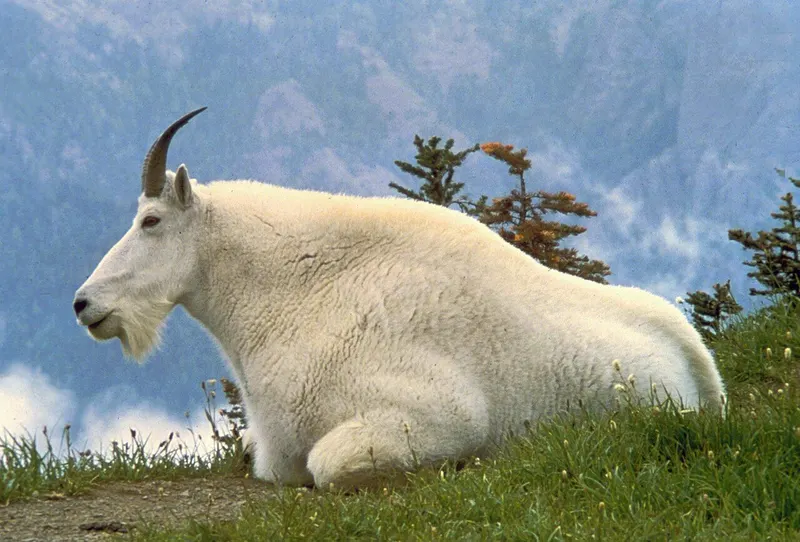
The mountain goat is endemic to the remote and rugged mountainous areas of western North America. A subalpine to truly alpine species, it is a sure-footed climber commonly seen on sheer rock faces, near-vertical cliffs and icy passages. It can exceed 4,000 m in altitude, and sometimes descends to sea level in coastal areas. British Columbia contains half of the world's population.
What does the mountain goat eat?
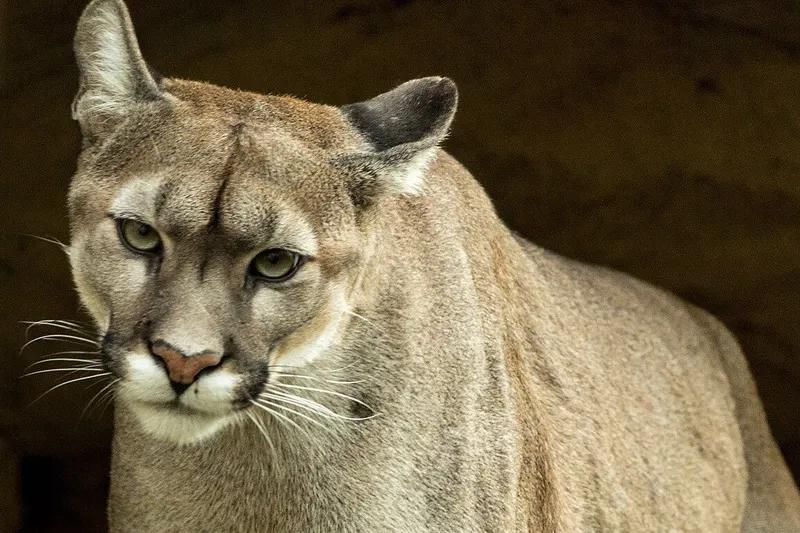
It eats grasses, herbs, sedges, ferns, mosses, lichens, and twigs and leaves from low-growing shrubs and conifers. After breeding, females form nursery groups of up to 50 animals, and adult males leave, often alone or with two or three other billies. It generally avoids venturing down to lower elevations: the extreme elevation of its habitat is its primary defence against bears, pumas and wolves.
Is the mountain goat endangered?
No: the IUCN lists it as Least Concern. Avalanches can account for 23 to 65% of mountain goat deaths in Alaska, depending on the region. Despite its name, it is not a true goat of the genus Capra. It has a head-and-body length of 120 to 179 cm, with long black horns 15 to 28 cm long.