Where does the Iberian lynx live?
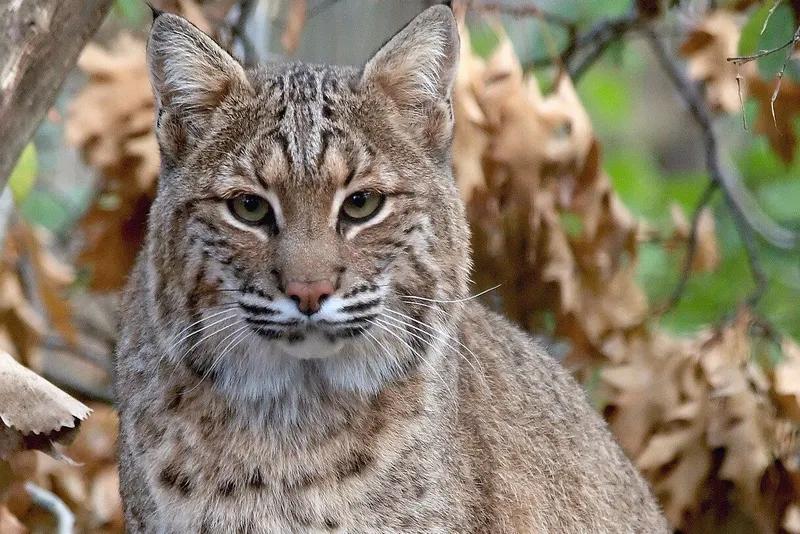
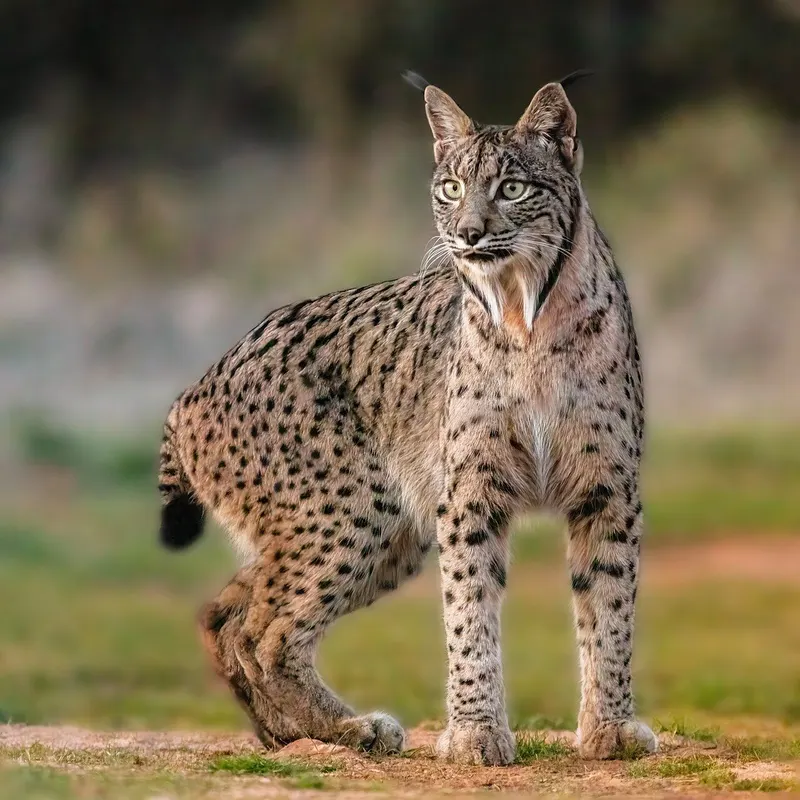
The Iberian lynx is endemic to the Iberian Peninsula. Fossils suggest it has been present there since the end of the Early Pleistocene, around 1 million years ago. Its population declined in the 20th century due to overhunting, poaching, fragmentation of suitable habitats and the decline of its main prey, the European rabbit, caused by myxomatosis and rabbit haemorrhagic disease. Like all lynxes, its face is decorated with a ruff of long hair and triangular ears topped with a tuft of black hair.
What does the Iberian lynx eat?
Rabbits make up about 75% of its food intake, supplemented by partridge, rodents and ungulates. It has only 28 teeth instead of the 30 usual in cats. Its tail is short, with a black tip, its legs are long and its feet large. Males weigh 7 to 15.9 kg and measure 74.7 to 82 cm, females 9.2 to 10 kg and 68.2 to 77.5 cm.
Is the Iberian lynx endangered?
Yes: the IUCN lists it as Vulnerable. In 2002 only 94 lynx remained, in two isolated subpopulations in Andalusia. Thanks to conservation measures, there were 2,401 in 2024 (2,047 in Spain and 354 in Portugal), and the species moved from Critically Endangered to Vulnerable in 2024. Threats remain: habitat loss and fragmentation, road accidents (144 killed in 2023), illegal hunting and rabbit disease.
All 71 threatened animals ›